
No, they’re not gone. In fact, they transcended to basically anything and today look totally different than a few years ago. What were the most used memes just a while ago? Yes of course, you remember Bad Luck Brian, The Overly Attached Girlfriend, One does not simply walks into Mordor and so on.
What is the origin of memes?
Starting from the origins, the word “Meme” comes from “The selfish gene”, a book written by Richard Dawkins in 1976. And indeed, the term is waaay older than you thought. Initially, meme was used to explain the way cultural information is being spread. Later on, with the appearance and mass use of internet, the “Internet meme” was born.
In the early ages the memes were a lot more structured, the ones that I’ve used are just some examples. Yes, 2010 called me and asked for his memes and yes again, I went there for the most obvious ones. But they all are more or the same thing: a well known image (from films or not), let’s call it a template, that reminds of a context used by people to show similar personal real-life situations.
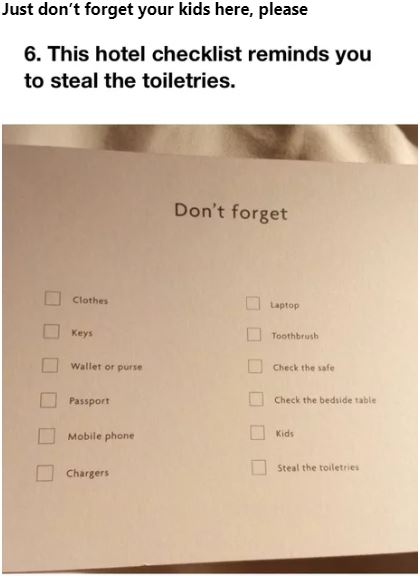
Nowadays, people just dropped the template and call a meme anything from an image, a GIF, a video, words, inside jokes, idioms and so on that helps to virally spread an idea that has the ultimate goal to make you laugh or share your feelings about something. Memes also have the role to disconnect from some busy hours and sometimes, honestly speaking, waste your time.
Here’s just an example of an mew image meme:
New age word of mouth
I consider the memes as an evolved word of mouth for younger heavy internet using generations like Millennials and Gen Z. If you think for a second, memes are something cool, something that people share with friends, colleagues or acquaintances, just like word of mouth spreads news. The only difference is that internet memes are shared on social media/internet platforms/apps, which is the main way of interaction for the younger generations. Now imagine, how many times did you find out something new from a meme rather than a classical news broadcaster? In my case, it happens quite often.
You know that a marketer’s job is to find the most appropriate communication channels used by prospects and then use all kinds of advertising tactics to get in front of the consumer. But what happens in the case of memes? Are they so easy to be integrated in a marketing strategy or plan?
Short answer is ‘No’. Marketing is not that simple, as there are a lot of fine lines that can be crossed, from misinterpreted messages, to the basic fact of trying to advertise something that you prospects might not be interested in at that very moment.
Moreover, as I said, meme usage resembles a lot with word of mouth also share this particularity: ‘If done well can offer a lot of benefits, if done wrong, it can seriously backfire‘. And there are plenty ways it can go wrong, so here is what you need to think about before you considering using memes to promote your business.
- Somehow, they lost their coolness. In the beginning, the early ‘templates’ of internet memes were used by people who were teens or in their early twenties. Just like for TV series, inside jokes or trends that massively get picked up, there is that one moment when the early adopters start to consider it painfully unfunny and dull. Just imagine, memes are so widely known that the average middle-aged person might use them in a corporate presentation and this, for a teen/twenty-something it is nothing less lit that this. But yet again, if you target groups of people (like me) that still find them funny, you may get the fair share of awareness.
- Memes can be as cringe as hell. Extending a little bit on point no. 1, using memes the as a marketing tactic would mean to some of your customers and prospects that you are trying to much. There’s nothing worse than a brand that shouts in major caps ‘HEY, LOOK AT ME! I’M COOL TOO!’ and constantly fails to connect its audience.
- So widely used that might go under the radar. Memes are part of the slang created by internet and used on niche platforms like 9gag and 4chan. Then the trend was picked up by social media giants like Facebook and Twitter which helped even more with their popularization. In 2017, Facebook even enabled the option to comment using Animated GIFs (which obviously are memes) and even more you can find the most appropriate GIF so you can nail your reply only by searching directly in the comments tool for the keywords. Considering how easy and handy “memefication” has become your meme post might go unnoticed in the sea of forgotten content, so you have to think about how you can stand out in the crowd.
- Memes may be politically incorrect or inappropriate to use. Oh yes, there are a lot of examples of memes that are NSFW, point out to a certain social category, are political or simply rude. I’m not going to start to list here, but for a company not any PR is good PR so you better think twice before using memes in your corporate communication because you might loose some of your audience.
But yes, there are examples where “Meme marketing” caused some impressive results.
- Awareness. Just like word of mouth, if a meme is good, it gets picked up and it becomes viral. How can a company benefit from this? Well if your content gets viral this means that it will be promoted organically, so you can reach a wider audience with less budget. This would be the ideal win-win situation: people get some content that they like, your brand gets more popular.
- Community build and retention marketing. Besides awareness, meme marketing can build and maintain a community. Imagine creating a community of people interested in your sector only by feeding them industry related memes, but not directly to your brand e.g. any kind of engineers, farmers, sales. In my opinion, having a community that supports is far better than general awareness. Memes easily start fiery debates and can also keep a wide audience interested.
Dark side or not, funny or annoying, interesting or boring af, internet memes and therefore “Meme marketing” is something that comes from genuine need of people to interact and reflects subjects that people do want to discuss (and people’s attention and interest are basically the marketer’s bread and butter). Used smart might boost your company’s marketing numbers but used the wrong way, your work (and your company’s voice) might be considered rather fake.
And you? What do you think about memes?
 markestination
I want more ads! please
LikeLike